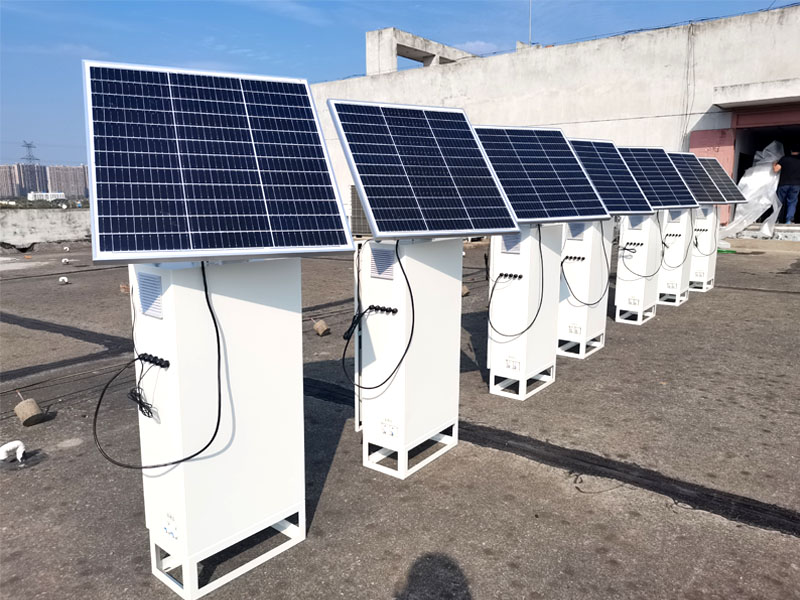
With stricter environmental regulations and higher operational demands, more industries are deploying online water quality monitoring systems to ensure discharge compliance, process stability, and environmental safety.
This article presents typical industry cases to show how monitoring systems are applied in real-world scenarios and the benefits they bring.
Case 1: Municipal Wastewater Treatment Monitoring Solution
Project Background
A municipal wastewater treatment plant handling over 100,000 tons per day struggled with manual monitoring that could not meet continuous supervision needs.
Solution
The plant deployed online monitoring systems for continuous monitoring of:
- Influent COD and ammonia load
- DO and pH control in biological treatment
- Effluent discharge compliance
Results
Stable discharge compliance
Reduced aeration energy consumption
Less manual sampling
Smarter operation management
Case 2: Industrial Park Wastewater Monitoring
Project Background
An industrial park with multiple factories needed centralized wastewater monitoring due to complex discharge characteristics.
Solution
A centralized monitoring station was installed to provide:
- Real-time COD, ammonia, and pH monitoring
- Discharge flow statistics
- Alarm and abnormal discharge records
Results
Real-time reporting to environmental authorities
Improved discharge compliance
Reduced regulatory risks
Case 3: River Section Monitoring Solution
Project Background
Urban rivers are influenced by sewage and runoff, causing frequent water quality fluctuations.
Solution
Automatic monitoring stations were installed to provide:
- Monitoring of pH, DO, conductivity
- Trend analysis
- Pollution event warnings
Results
More accurate environmental management
Faster pollution source detection
Data-driven decision making
Case 4: Smart Aquaculture Monitoring Solution
Project Background
Aquaculture farms often face losses due to sudden water quality changes.
Solution
Monitoring systems were installed to track:
- Dissolved oxygen levels
- Temperature and pH monitoring
- Automatic alarms
Results
Reduced mortality
Less manual inspection
Improved production stability
Industry Trend Summary
With the development of smart environmental management, monitoring systems are evolving into intelligent platforms offering:
- Multi-site centralized management
- Cloud data sharing
- Automated warning systems
- Remote maintenance capability
Conclusion: How to Choose the Right Industry Solution?
Choosing the right solution requires considering application needs, monitoring parameters, environmental conditions, and long-term maintenance costs.
A proper solution ensures compliance while reducing long-term operational risks.