Introduction
This guide explains these related questions by connecting the direct answer, supporting context, and the details readers need before moving to related products or next-step resources.
A digital pH tester turns water testing into a fast, numbers-based task—but only if the device is calibrated and used correctly. Whether you are checking drinking water at home or monitoring process water in an industrial setting, the accuracy of your reading depends on a clean probe, fresh buffer solutions, and a steady technique. This guide walks through calibration, step-by-step pH measurement, how digital meters compare with test strips, and the common mistakes that quietly ruin results.
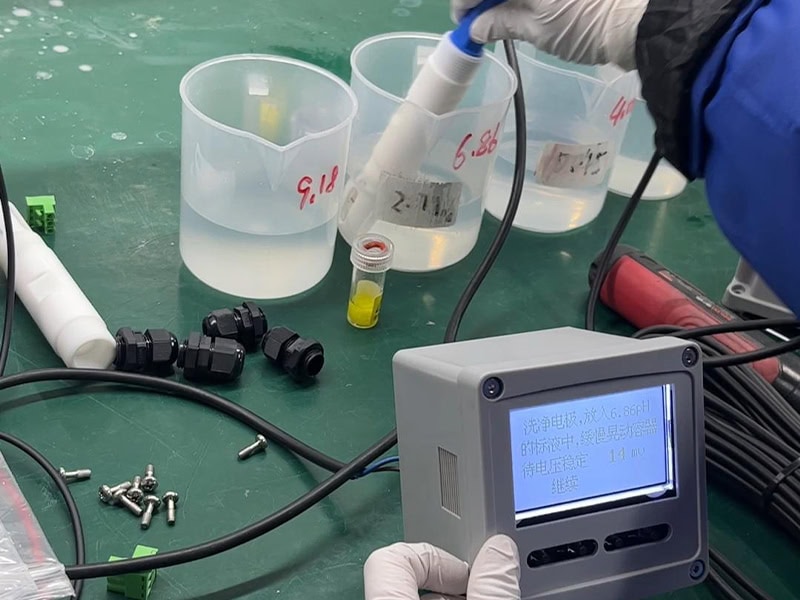
Why Calibrating Your Digital pH Tester Matters
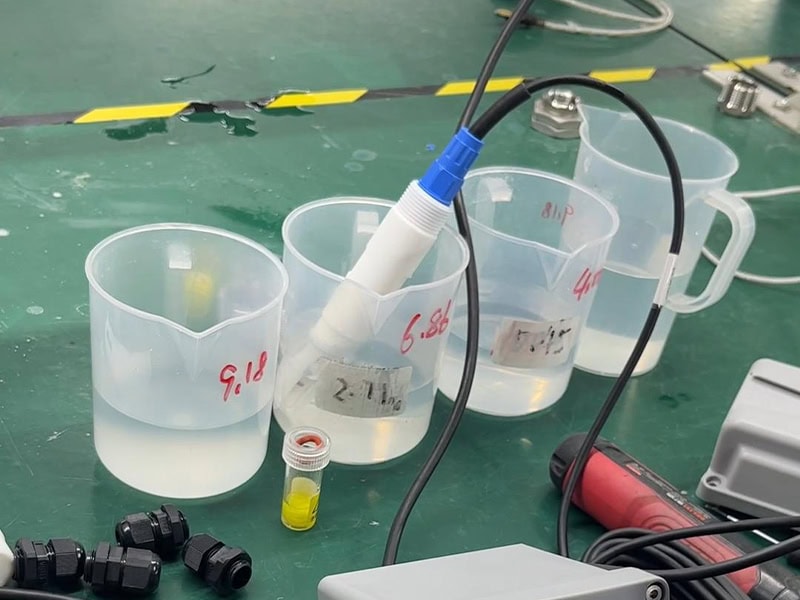
The Role of Calibration in pH Accuracy
Calibration adjusts the sensor so its reading matches a known standard. Over time, even a quality pH meter for water drifts, and an uncalibrated probe reports values that look plausible but are wrong. A properly calibrated meter reflects the true acidity or alkalinity of your sample. Skip this step and testing water pH becomes guesswork.
How Often Should You Calibrate?
Frequency depends on how often you use the device and the precision you need. A reliable rule is to calibrate before each testing session—particularly for drinking water or other sensitive applications. If the meter has sat unused for an extended period, recalibrate before your next reading. When in doubt, calibrate more often rather than less.
Common Calibration Mistakes and How to Avoid Them
A frequent error is using dirty or contaminated calibration solutions. Pour fresh buffer into a clean cup and never return used solution to the bottle. Another mistake is failing to rinse the probe between buffers, which mixes solutions and skews the reference points. Touching the glass sensor with bare fingers transfers oils that also distort readings. Avoiding these habits keeps your pH tester consistent.
From Our Field Experience: Calibration Isn’t Always the Real Problem
One of the most common questions we receive is:
“Why is my pH meter still inaccurate even after calibration?”
In our experience, calibration is often blamed when the real issue lies elsewhere.
For newly purchased Wohuan pH meters, every unit is factory-calibrated before shipment. When installed according to the operation manual or with guidance from our technical support team, calibration-related accuracy issues are extremely rare.
In fact, more than 90% of the “calibrated but inaccurate” cases we encounter are caused by improper sensor installation rather than calibration itself.
For example, we once supported a municipal wastewater treatment plant where the pH sensor was installed directly beside the acid and alkali dosing point. Every time chemicals were injected, the probe measured the local concentration instead of the actual pH value of the reaction tank, causing severe fluctuations and unstable dosing control. After relocating the sensor to a properly mixed area, the readings became stable and accurately reflected the process conditions.
For pH sensors that have been operating in the field for a long time, persistent inaccuracy after calibration is usually related to sensor contamination or aging rather than calibration settings. In textile dyeing wastewater, heavy dye deposits often coat the sensing surface and cause frequent drift. In strong acid or strong alkali applications, prolonged chemical attack may damage the sensor seal, clog the reference junction, affect the built-in temperature compensation system, or weaken the glass membrane itself. In these situations, cleaning, specialized electrodes, or sensor replacement may be required.
Choosing the Right Calibration Buffer Solutions (pH 4.00, 6.86, 9.18)
Digital pH meters for water analysis generally adopt national standard buffer solutions for calibration. The standard calibration points are pH 4.00 for acidic range, pH 6.86 for neutral range and pH 9.18 for alkaline range. Please always use fresh and unexpired buffer solutions, and perform calibration in the sequence specified in the instrument manual. Standard buffer solutions are essential to ensure accurate and reliable pH measurement of water samples.
Temperature Compensation: Why It Matters During Calibration
pH readings shift with temperature, so calibrating in conditions close to your sample temperature improves accuracy. Many digital meters include automatic temperature compensation (ATC) to correct for this. If your meter offers ATC, confirm it is active during both calibration and measurement; if not, try to keep buffers and samples at a similar temperature.
Step-by-Step Guide: How to Calibrate a Digital pH Tester
Gather Your Calibration Solutions
To achieve accurate and stable testing results, calibrate your digital pH tester with standard buffer solutions specified by the national standard. Professional pH measurement adopts standard calibration points: pH 4.00 for the acidic range, pH 6.86 for the neutral range, and pH 9.18 for the alkaline range (at 25°C). Always use fresh, unexpired standard buffer solutions and avoid contamination to guarantee calibration accuracy.
Step 1: Clean the Probe
Rinse the probe with distilled or deionized water before calibrating. Gently blot it with a soft, lint-free cloth if needed, but avoid touching the glass bulb. Residue from previous measurements distorts the calibration.
Step 2: Immerse in pH 6.86 Buffer
Place the clean probe into the pH 6.86 buffer, stir gently, and let the reading stabilize. This neutral buffer is the primary calibration point. Wait until the display stops changing—usually 30 to 60 seconds.
Step 3: Adjust the Meter
With the probe stabilized in the pH 6.86 solution, press the “CAL” calibration button or adjust the calibration knob to complete neutral point calibration. After finishing neutral calibration, rinse the probe thoroughly with clean water. Perform secondary calibration with pH 4.00 acidic buffer for acidic water testing, or pH 9.18 alkaline buffer for alkaline water testing.
For full-range accurate measurement, complete three-point calibration in sequence of pH 4.00, pH 6.86, and pH 9.18. Standard calibration procedures ensure all pH test results are reliable and compliant with national standards.
How to Check pH Level of Water with a Calibrated Meter
Once the tester is calibrated, you can move on to testing water pH levels with confidence.
Step 1: Collect a Clean Water Sample
Use a clean, dry container and avoid touching its inside or introducing contaminants. The sample should be deep enough to fully submerge the probe tip.
Step 2: Rinse the Probe with Distilled Water
Rinse the electrode thoroughly with distilled water before each test, then dry it gently with a soft, lint-free cloth. This removes residue and prevents cross-contamination between samples.
Step 3: Insert the Probe and Wait for a Stable Reading
Place the rinsed electrode into the sample and press the measure button. Hold the probe steady—movement causes the reading to fluctuate. Allow about two minutes for the value to stabilize.
From Our Field Experience: Unstable Readings Are Usually Caused by Process Conditions
Many users assume an unstable pH reading means the sensor has failed.
In reality, the operating environment is often the first thing that should be checked.
When troubleshooting unstable pH measurements, our engineers typically start by evaluating the installation conditions before inspecting the sensor itself.
One common issue is excessive water velocity. High-speed flow can continuously disturb the hydrated layer that forms on the glass membrane and disrupt the ion equilibrium required for accurate measurement. The result is a display value that never fully stabilizes.
Another frequent problem is trapped air bubbles. In aeration tanks, mixing zones, or locations with turbulent flow, bubbles can attach to the sensing surface and cause sudden fluctuations or drifting readings.
If the installation location is confirmed to be correct, we then inspect the sensor for contamination or aging. Wastewater containing oils, dyes, suspended solids, or aggressive chemicals can foul the electrode and significantly increase stabilization time. Strong acid and strong alkali processes may gradually degrade the sensor and affect measurement performance.
Finally, we check for electrical interference, although this is relatively uncommon. Across thousands of installations, interference-related problems represent only a small fraction of service cases. Modern industrial pH sensors with proper shielding and anti-interference design are generally very resistant to electrical noise.
For this reason, when a pH reading becomes unstable, replacing the sensor should not be the first step. Verifying installation location, flow conditions, and sensor cleanliness usually solves the problem much faster.
Step 4: Record and Interpret the Result
Once the reading settles, note the displayed pH value; this is your final result for that sample. Clean the electrode with distilled water afterward and store it properly to protect future accuracy. For an official walkthrough aimed at homeowners, the City of Portland’s guide on measuring pH at home is a useful reference.
Digital pH Tester vs. Test Strips: Which Is Better for Drinking Water?
Accuracy and Precision Comparison
A digital pH tester follows a structured routine—rinse and dry the electrode, place it in the sample, press measure, and wait about two minutes—that produces a specific numeric value. Test strips rely on color matching against a chart, which introduces subjective interpretation. For repeatable, precise figures, a well-used digital meter has the edge.
Cost and Convenience
A digital meter requires cleaning the electrode after each use, adding a small maintenance step. Disposable strips skip that step but must be replaced after every test. Frequent testers usually prefer a digital meter for repeated checks, while strips suit occasional, one-off use.
Durability and Maintenance
Digital testers reward proper care with a long service life, and cleaning the electrode after use is essential to that longevity. Test strips need no upkeep but represent an ongoing consumable cost that accumulates with every measurement.
Testing Range and Resolution: Which One Gives More Detail?
A digital tester displays a precise pH value, giving fine resolution for close water-quality monitoring. Test strips show limited color increments, which is enough for a rough estimate but not for tracking small changes. If you need detail, the digital reading wins.
Long-Term Cost Analysis: Strips vs. Digital Tester
A digital meter has a higher upfront price but a lower per-test cost once you own it—your main recurring expense is buffer solution and the occasional replacement probe. Strips are cheap to start but cost more over many tests because each one is single-use. For regular testing, the digital meter tends to pay for itself.
Ease of Use: Reading Speed and Cleaning Requirements
Strips deliver a near-instant color result with no cleanup. A digital meter takes about two minutes per reading and needs rinsing and drying afterward. The trade-off is straightforward: strips favor speed and simplicity, while digital meters favor precision and a clear numeric record.
For continuous or automated monitoring beyond handheld checks, consider online pH controllers and sensors or broader water quality controllers and sensors built for process applications.
What Is a Good pH Level for Drinking Water?
The pH of drinking water affects both taste and safety, so accurate measurement comes first. A digital tester gives reliable readings when you follow a consistent method: rinse and dry the electrode, place it in the sample, press measure, and wait about two minutes.
The Ideal pH Range (6.5–8.5)
Drinking water is commonly described as falling between pH 6.5 and 8.5. To confirm where your water sits, use the standard electrode procedure and compare your stable reading against the guideline you are following. A clean, dry electrode and a full two-minute wait give a dependable number.
How pH Affects Taste and Safety
pH can influence taste and may hint at the minerals or contaminants present. Following a standardized method gives you a trustworthy figure to work from. If a reading looks unusual, repeat the test to confirm before drawing conclusions—calibration and technique are what make the result reliable.
When to Adjust Your Water’s pH
If readings consistently fall outside the typical range, verify them before acting. Repeat the measurement to rule out error, since a single odd value is often a technique issue rather than a true shift. Once confirmed, you can explore filtration or mineralization options. Clean the electrode after each use to keep results accurate.
Common Mistakes When Testing Water pH with a Digital Tester
Skipping Calibration
The most frequent error is testing without calibrating first. The meter relies on a known reference point, and without it, readings drift. A single skipped calibration can turn a routine pH test into an unreliable one—always calibrate before use, especially when switching between samples with different pH levels.
Using Expired or Contaminated Buffer Solutions
Buffers are the baseline for calibration, but they lose stability over time. Expired or contaminated solutions throw off the entire process and undermine every reading. Check expiry dates, store buffers in clean, sealed containers, and never reuse solution that has been exposed to air.
Not Rinsing the Probe Between Samples
Carryover from one sample alters the next reading. Rinse the probe with distilled or deionized water and blot it gently between tests, particularly when moving from one liquid to another. This keeps each reading specific to the sample in front of you.
Storing the Probe Dry
A pH probe must stay hydrated to work correctly. Storing it dry damages the sensitive glass membrane and causes sluggish, erratic responses. Keep it in a proper storage solution or a few drops of buffer, and never leave it exposed to air for long.
Proper Storage and Care for Your pH Meter
Good storage habits extend the life of any pH meter and protect its accuracy between sessions. The key points are simple:
- Keep the probe tip moist with storage or buffer solution; never store it dry.
- Rinse and gently dry the electrode after every measurement.
- Store the meter at a stable temperature, away from direct sunlight and extreme heat.
- Replace buffer solutions before they expire and inspect the probe for cracks or buildup.
- Recalibrate after long idle periods or whenever readings seem off.
Conclusion
Accurate water pH testing comes down to discipline: calibrate with fresh buffers, clean and hydrate the probe, hold a steady technique, and verify any reading that looks unusual. A digital tester rewards that routine with precise, repeatable numbers that test strips cannot match for detailed monitoring. Build these habits once, and every future check—from drinking water to process water—becomes faster and far more reliable.
FAQ
How does a pH meter work?
A pH meter uses a glass electrode that generates a small voltage in response to the hydrogen ion activity in a solution. The meter converts that voltage into a pH value on the display. Calibration with known buffers aligns that conversion to a trusted standard.
How often should I calibrate my digital pH tester?
Calibrate before each testing session, and always after the meter has been idle for a long period or whenever readings appear inconsistent. Frequent calibration is the simplest way to keep results accurate.
What buffer solutions do I need for calibration?
Most meters use a pH 7.0 buffer as the neutral point, plus pH 4.0 and/or pH 10.0 for two-point calibration. Use fresh, unexpired solutions and follow the sequence in your meter’s manual.
Are digital pH testers more accurate than test strips?
For precise, repeatable numeric readings, a calibrated digital tester is generally more detailed than test strips, which rely on color matching with limited increments. Strips remain convenient for quick, occasional checks.
Why must I keep the pH probe wet?
The glass membrane needs to stay hydrated to respond correctly. Storing it dry can damage the membrane and cause slow or erratic readings, so keep it in storage solution or buffer between uses.
About Industrial pH Monitoring Solutions
Accurate pH measurement is not only about choosing the right meter. In industrial applications such as wastewater treatment, chemical processing, textile dyeing, food production, and water treatment systems, measurement accuracy is heavily influenced by sensor selection, installation location, operating conditions, maintenance practices, and process characteristics.
Over the years, we have found that many pH measurement problems are not caused by calibration itself, but by factors such as improper installation, sensor contamination, harsh process conditions, or electrode aging. Understanding these factors can significantly improve measurement stability, reduce maintenance frequency, and extend sensor service life.
At Wohuan Instrument, we specialize in industrial pH monitoring solutions for continuous online measurement applications. Our product range includes industrial pH probes, built-in ATC pH sensors, online pH analyzers, and water quality monitoring systems designed for demanding industrial environments. By combining field application experience with reliable instrumentation, we help engineers, system integrators, distributors, and plant operators achieve more stable and accurate process control.
Need Help Selecting the Right Industrial pH Monitoring Solution?
Whether you are monitoring wastewater discharge, controlling chemical dosing, managing industrial process water, or upgrading an existing pH measurement system, choosing the right sensor and installation method is often just as important as selecting the instrument itself.
Different applications may require different electrode materials, installation configurations, temperature compensation methods, or anti-fouling solutions. Understanding these factors early can help improve measurement accuracy, reduce maintenance costs, and avoid unnecessary troubleshooting later.
If you are evaluating industrial pH probes, online pH analyzers, or complete water quality monitoring systems, our engineering team is available to discuss your application requirements and recommend suitable options based on your operating conditions.
Explore More:
• Home Page: https://wxinstrument.com/
• Industrial pH Meter Solutions: https://wxinstrument.com/product-category/ph-meter/
• Contact Our Engineering Team: https://wxinstrument.com/contact-us/
Tell us about your application, measurement range, installation method, and process conditions, and we will be happy to help you explore suitable solutions for your project.