Introduction
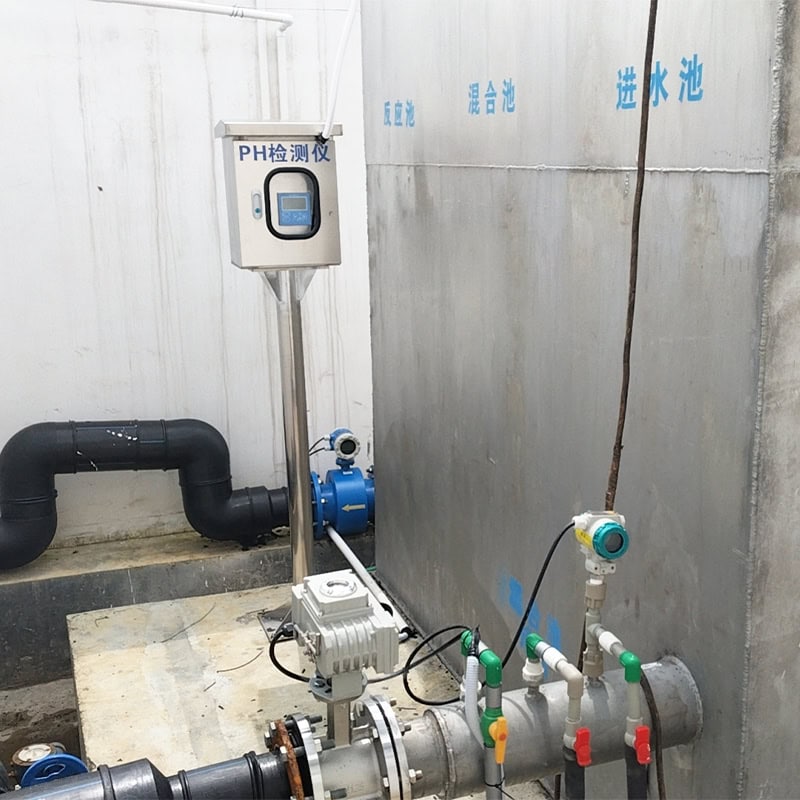
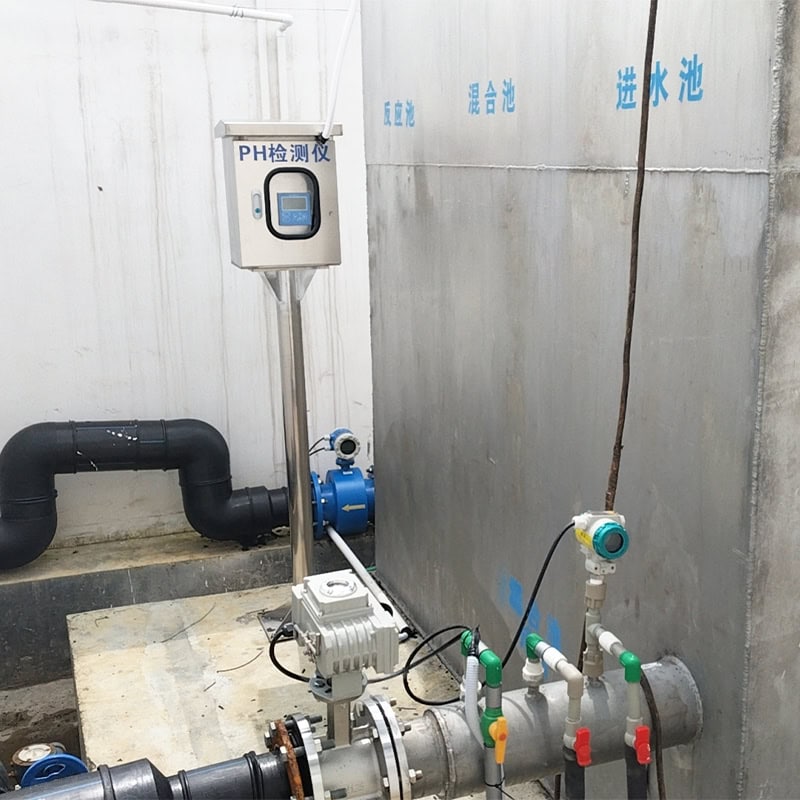
Many industrial plants face unstable pH readings during daily operation. In many cases, the issue is not caused by the controller itself, but by automatic temperature compensation problems in industrial pH measurement. Incorrect sensor selection, unsuitable compensation types, and installation mistakes can all reduce measurement accuracy. These problems are common in wastewater treatment, chemical processing, and environmental monitoring systems. Based on real industrial projects, this guide explains the most common ATC problems and practical ways to improve online pH monitoring stability and accuracy.
Quick Answer: What Causes Automatic Temperature Compensation Problems in Industrial pH Measurement?
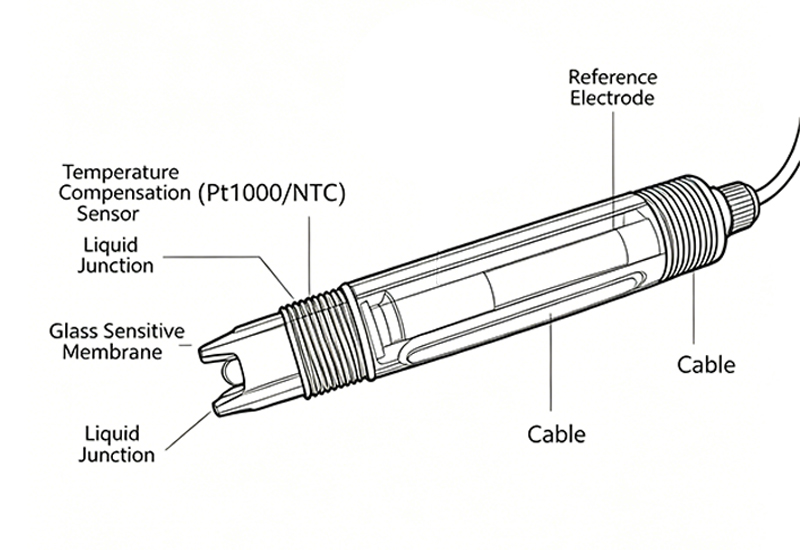
Automatic temperature compensation (ATC) problems usually happen because of incorrect pH electrode selection, unsuitable compensation sensor types, poor installation, wiring mistakes, or damaged sensors. Even when ATC is enabled, industrial pH measurement can still become unstable if the electrode does not match the actual process conditions.
Modern industrial pH electrodes often include built-in temperature compensation sensors. Common compensation types include NTC10K, NTC2.252K, NTC22K, PT100, and PT1000. Selecting the correct compensation type is critical for stable online pH monitoring.
Why Automatic Temperature Compensation Matters in Industrial pH Measurement
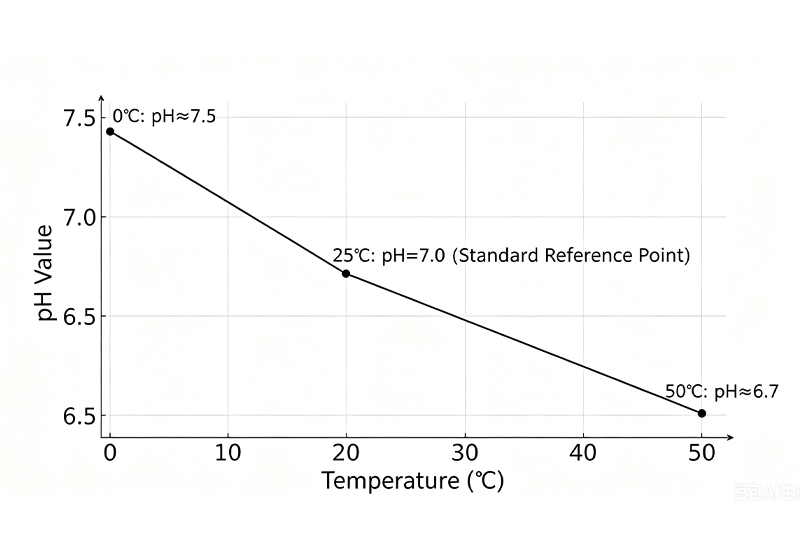
Temperature has a direct effect on pH measurement accuracy. As liquid temperature changes, the electrical response of the pH electrode also changes. This affects the electrode slope and can cause unstable readings.
In industrial environments, temperature fluctuations are very common. Wastewater systems, chemical tanks, and process pipelines often experience rapid temperature changes during operation.
Without automatic temperature compensation, operators may face:
- Unstable pH readings
- Incorrect chemical dosing
- Process control errors
- Increased maintenance workload
- Poor wastewater treatment performance
This is why ATC is essential for industrial pH monitoring systems.
1. Using the Wrong Temperature Compensation Type
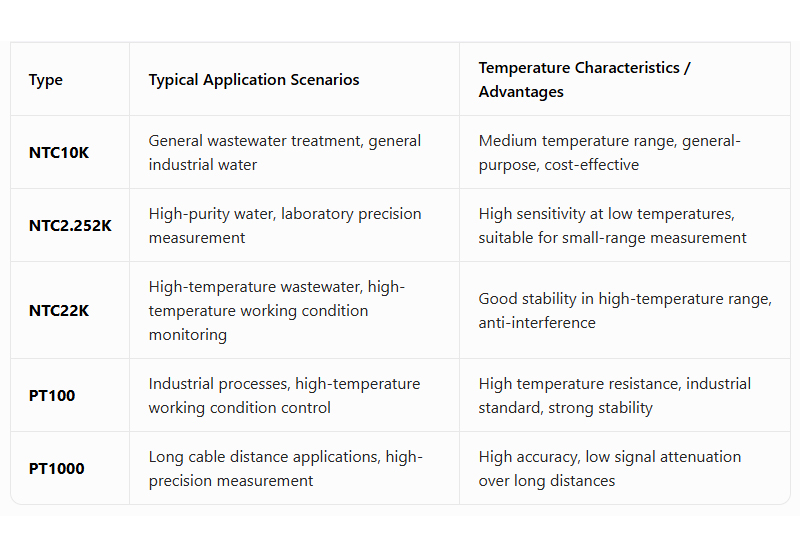
One of the most common automatic temperature compensation problems in industrial pH measurement is selecting the wrong compensation type.
Different pH controllers support different temperature compensation sensors. Common types include:
- NTC10K
- NTC2.252K
- NTC22K
- PT100
- PT1000
If the controller and pH electrode use different compensation types, the measured temperature may become inaccurate. This can cause unstable pH readings and poor process control.
Before purchasing a pH electrode, users should always confirm:
- Controller compatibility
- Process temperature range
- Installation environment
- Chemical composition of the liquid
Correct sensor matching improves long-term monitoring stability.
2. Incorrect pH Electrode Selection
Many engineers believe ATC can solve all pH measurement problems. In reality, this is not true.
Different pH electrodes are designed for different environments. Some electrodes work well in clean water, while others are designed for wastewater, chemical liquids, or high-temperature applications.
Real Project Experience: Wastewater Treatment Plant
In one wastewater treatment project, the customer used a pH electrode with automatic temperature compensation enabled. However, the online readings remained unstable for a long time.
After troubleshooting the system, Wohuan engineers discovered the real issue. The selected pH electrode was not suitable for the wastewater environment and operating temperature range.
Although the ATC function worked normally, the wrong electrode type caused inaccurate measurements and increased maintenance workload.
This is why Wuxi Wohuan Instrument Technology Co., Ltd. communicates closely with customers before production and delivery. Our engineers evaluate:
- Process temperature
- Measurement medium
- Chemical conditions
- Installation location
- Wastewater characteristics
This helps customers select the correct pH electrode and compensation type for stable industrial monitoring.
3. Confusion About Built-In Temperature Compensation
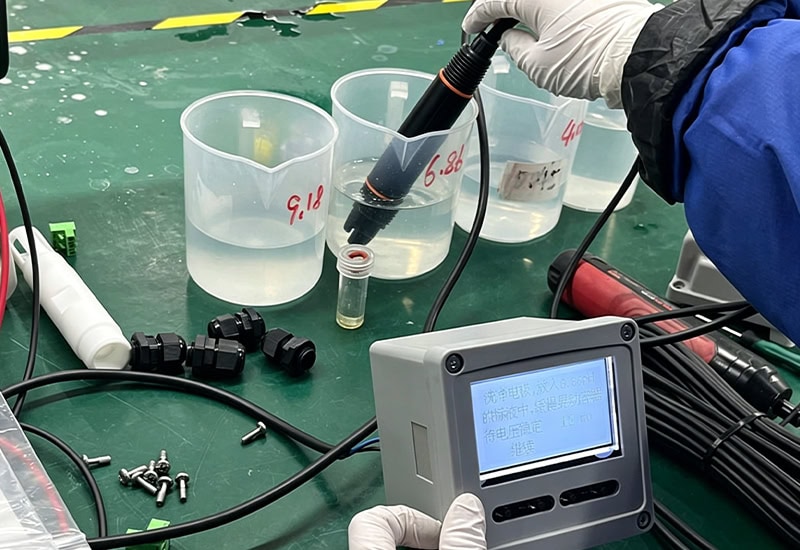
Many industrial users believe automatic temperature compensation always requires a separate ATC probe. This misunderstanding often creates wiring and installation problems.
In fact, many modern industrial pH electrodes already include built-in temperature compensation sensors inside the probe body.
Real Project Experience: Steel Plant Wastewater Monitoring
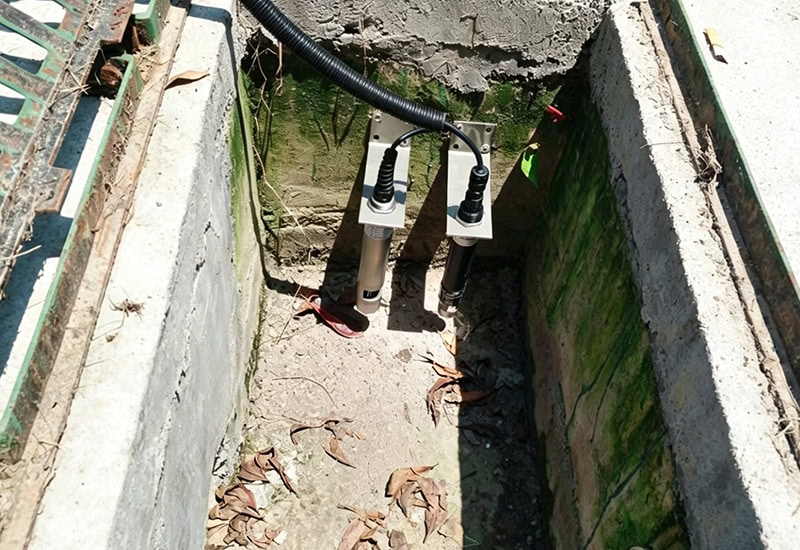
In one steel plant wastewater monitoring project, the customer believed the pH sensor did not support automatic temperature compensation because only one probe was included.
The site engineer was unsure how to connect the sensor to the controller because there was no separate ATC probe.
After communication with Wohuan engineers, the customer learned that the pH electrode already included a built-in temperature compensation sensor.
Because of this integrated design, the wiring process became much simpler. Even technicians with limited instrumentation experience were able to complete the installation correctly after basic guidance.
Integrated pH electrodes can reduce installation errors and simplify commissioning work in industrial projects.
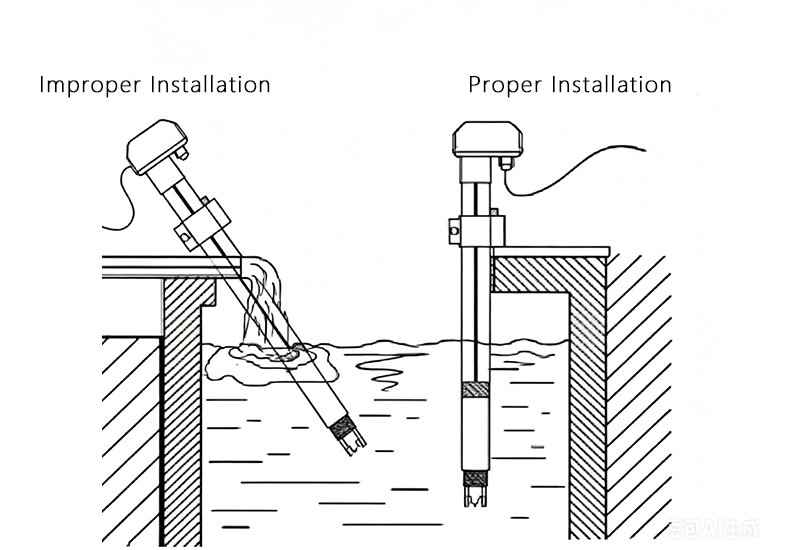
4. Poor Sensor Installation Position
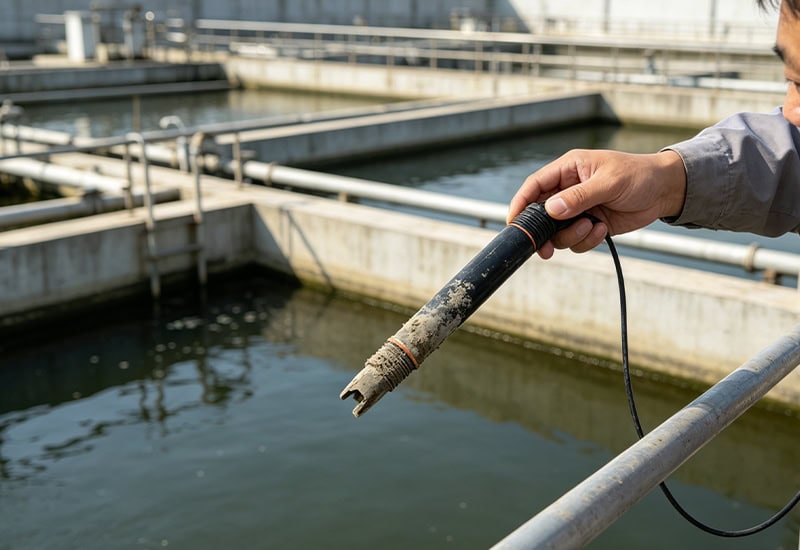
Proper installation is critical for accurate online pH monitoring.
The pH electrode and temperature sensor must measure the same liquid under the same conditions. If the sensors are placed in different flow zones, temperature differences may affect compensation accuracy.
Common installation mistakes include:
- Different immersion depths
- Poor liquid circulation
- Sensor placement near heat sources
- Installing sensors in stagnant liquid areas
These problems can cause unstable pH readings even when ATC is enabled.
For best performance, users should install the electrode in areas with stable flow and consistent temperature conditions.
5. Electrode Aging and Sensor Contamination
Automatic temperature compensation cannot fix damaged or contaminated sensors.
In industrial wastewater systems, pH electrodes often face:
- Oil contamination
- Chemical scaling
- Suspended solids
- Biological fouling
- Chemical corrosion
Over time, these conditions reduce electrode response speed and measurement stability.
Common signs of electrode aging include:
- Slow calibration response
- Unstable readings
- Frequent drift
- Calibration failure
Regular cleaning and calibration are essential for reliable pH monitoring.
6. Poor Calibration Practices
Improper calibration is another major cause of automatic temperature compensation problems in industrial pH measurement.
Many operators use expired buffer solutions or skip routine calibration checks. This reduces measurement accuracy and causes long-term drift.
For stable industrial monitoring, operators should:
- Use fresh pH buffer solutions
- Allow the sensor to reach thermal equilibrium
- Clean the electrode before calibration
- Confirm the ATC function is enabled
- Follow the manufacturer’s calibration procedure
Routine maintenance helps improve sensor lifespan and monitoring stability.
7. Assuming ATC Can Solve Every Problem
Automatic temperature compensation improves pH measurement accuracy, but it is not a complete solution for every industrial application.
ATC mainly compensates for temperature-related electrical changes inside the pH electrode. It cannot fully compensate for:
- Complex chemical reactions
- High salinity wastewater
- Heavy contamination
- Poor grounding
- Electrical interference
- Incorrect process design
In difficult industrial environments, system design and electrode selection remain equally important.
Engineers should evaluate the complete monitoring system instead of relying only on ATC functions.
How to Improve Industrial pH Measurement Accuracy
To reduce automatic temperature compensation problems in industrial pH measurement, industrial users should focus on proper system design and maintenance.
Best practices include:
- Selecting the correct pH electrode
- Matching the proper compensation type
- Installing sensors correctly
- Performing routine calibration
- Cleaning electrodes regularly
- Monitoring sensor aging
- Using industrial-grade controllers
These steps can greatly improve monitoring stability and reduce maintenance costs.
Why Many Industrial Plants Choose Integrated pH Monitoring Solutions
Integrated online pH monitoring systems simplify installation and improve operational reliability.
Wuxi Wohuan Instrument Technology Co., Ltd. provides:
- Online pH controllers
- Industrial pH analyzers
- Water quality monitoring systems
- Wastewater monitoring solutions
- Customized monitoring cabinets
Our pH electrodes support multiple compensation types, including:
- NTC10K
- NTC2.252K
- NTC22K
- PT100
- PT1000
These solutions are widely used in:
- Wastewater treatment plants
- Chemical factories
- Steel plants
- Environmental monitoring systems
- Municipal water projects
FAQ
Does automatic temperature compensation require a separate probe?
No. Many industrial pH electrodes already include built-in temperature compensation sensors inside the probe body.
Why are my pH readings unstable even when ATC is enabled?
The problem may come from incorrect electrode selection, contamination, installation issues, or incompatible compensation types.
What is the difference between PT100 and PT1000?
Both are temperature compensation sensor types. PT1000 usually offers higher sensitivity and better signal stability over longer cable distances.
Can ATC improve wastewater pH monitoring accuracy?
Yes. ATC helps reduce temperature-related measurement errors in industrial wastewater applications.
How often should industrial pH electrodes be calibrated?
Most industrial systems require regular calibration every few weeks, depending on the process environment and contamination level.
What industries use ATC-enabled pH monitoring systems?
Common industries include wastewater treatment, chemical processing, food production, environmental monitoring, and steel manufacturing.
Conclusion
Automatic temperature compensation problems in industrial pH measurement can reduce monitoring accuracy, increase maintenance costs, and affect industrial process stability. In many cases, the root cause is not the controller itself, but incorrect pH electrode selection, poor installation, or unsuitable compensation types.
CTA
With years of experience in industrial wastewater and water quality monitoring projects, Wuxi Wohuan Instrument Technology Co., Ltd. provides reliable online pH analyzers, industrial pH controllers, and customized monitoring solutions for demanding industrial environments. Our engineering team helps customers select the correct pH electrode and temperature compensation configuration based on real process conditions.
If you are looking for stable and accurate industrial pH monitoring solutions, contact our team today for technical support, product recommendations, or a custom quotation.