
Blog
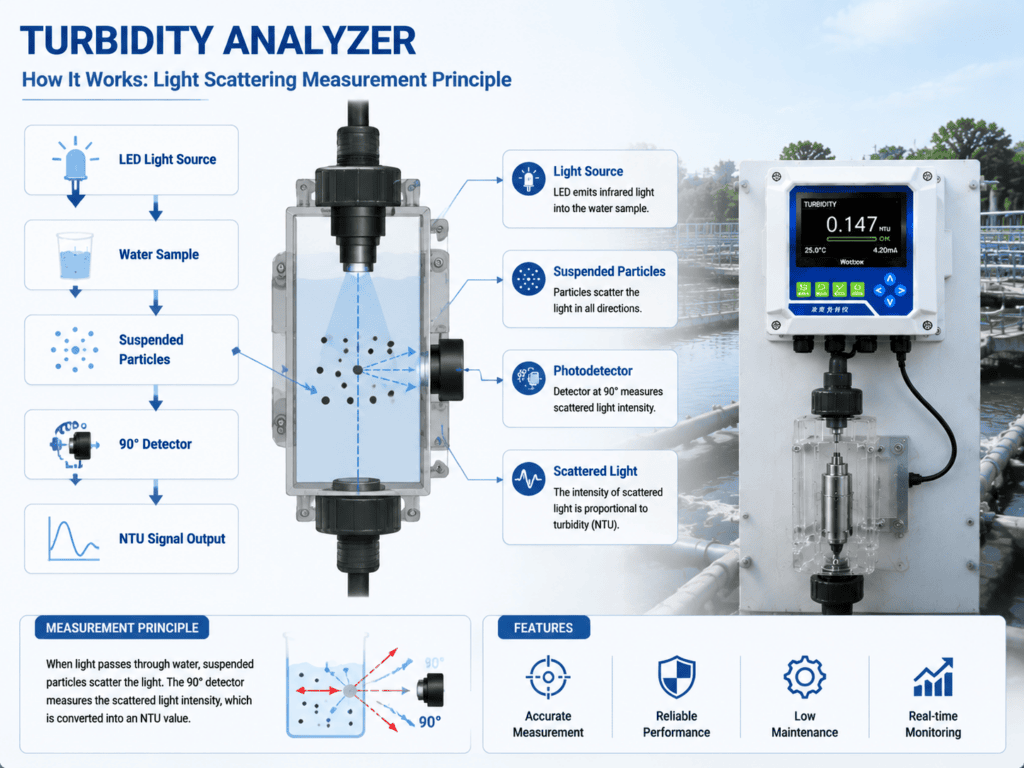
Online Turbidity Meter Guide: How It Works, How to Measure Turbidity, and How to Choose
Introduction Water quality monitoring requires not only accurate measurement technology but also a clear understanding…
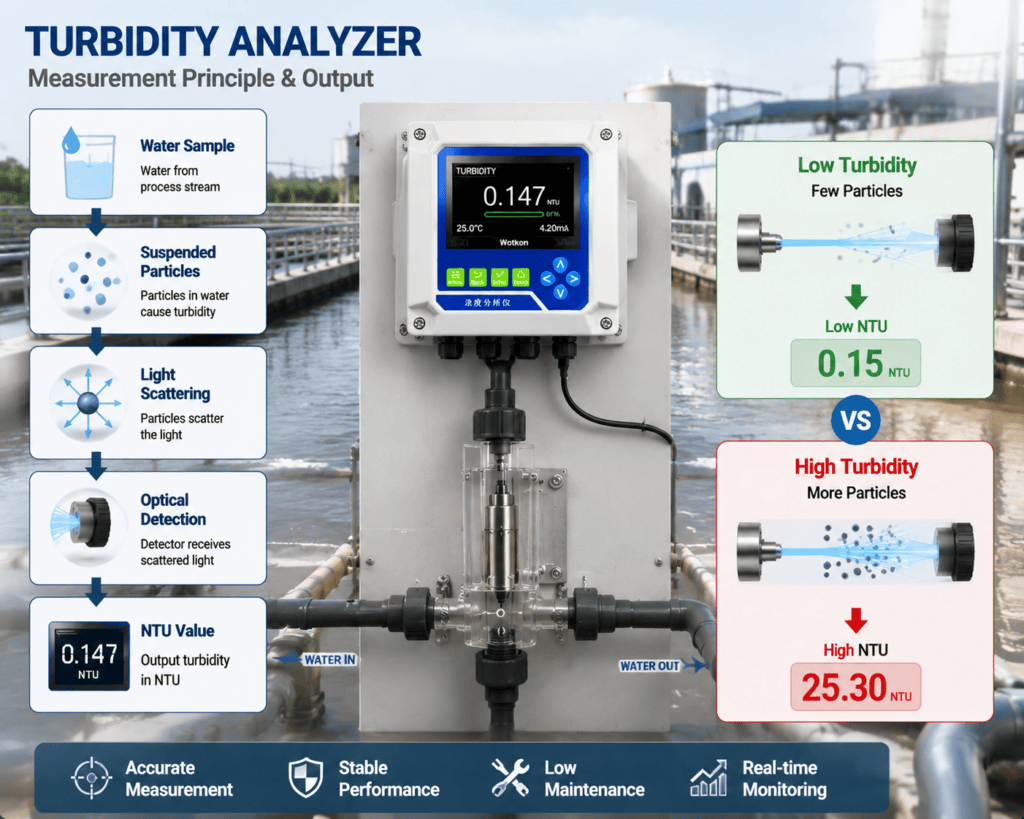
Turbidity Analyzer Guide: How It Works, Testing Methods, and Selection Tips
Introduction Water quality monitoring requires accurate and reliable measurement methods to understand changes in water…
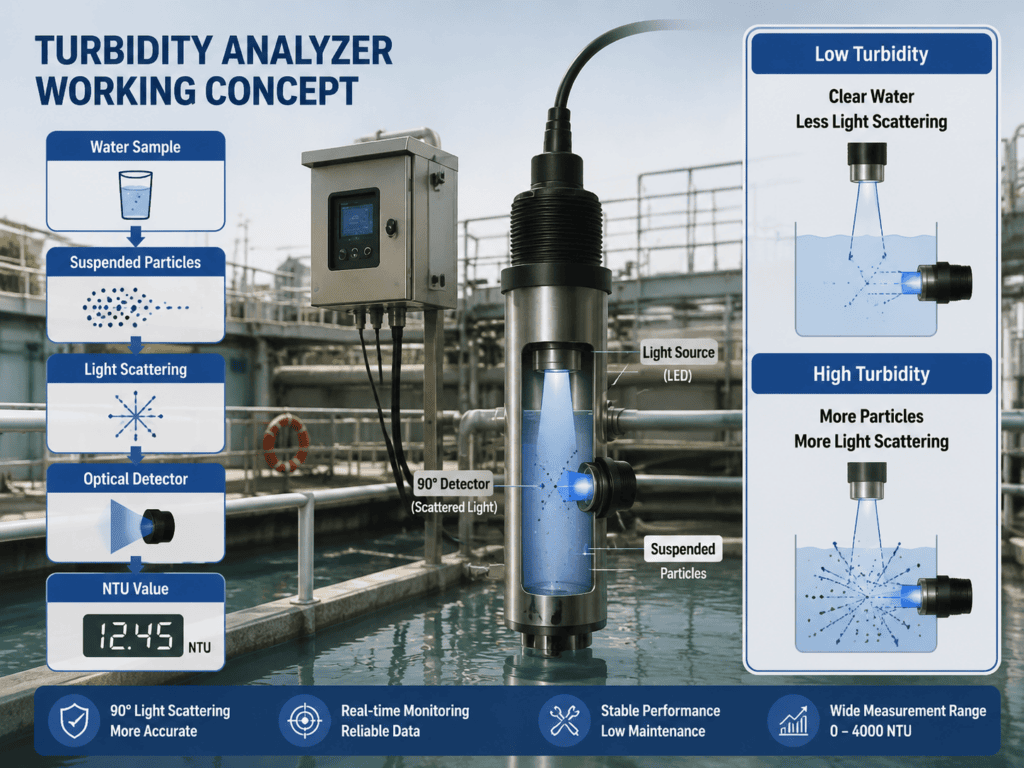
Turbidity Analyzer Guide: How It Works, Beverage Testing, and How to Choose One
Introduction A turbidity analyzer requires more than simply selecting an instrument with the correct measurement…
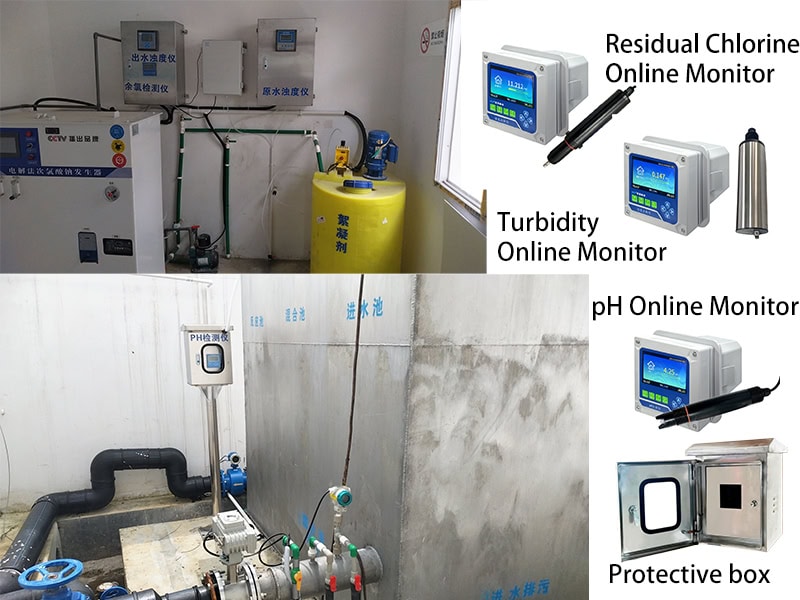
Real-time Water Quality Monitoring and Chemical Dosing Control for Small Municipal Wastewater Treatment Stations
Industry Challenges Small municipal wastewater treatment stations face significant operational difficulties due to their small scale…
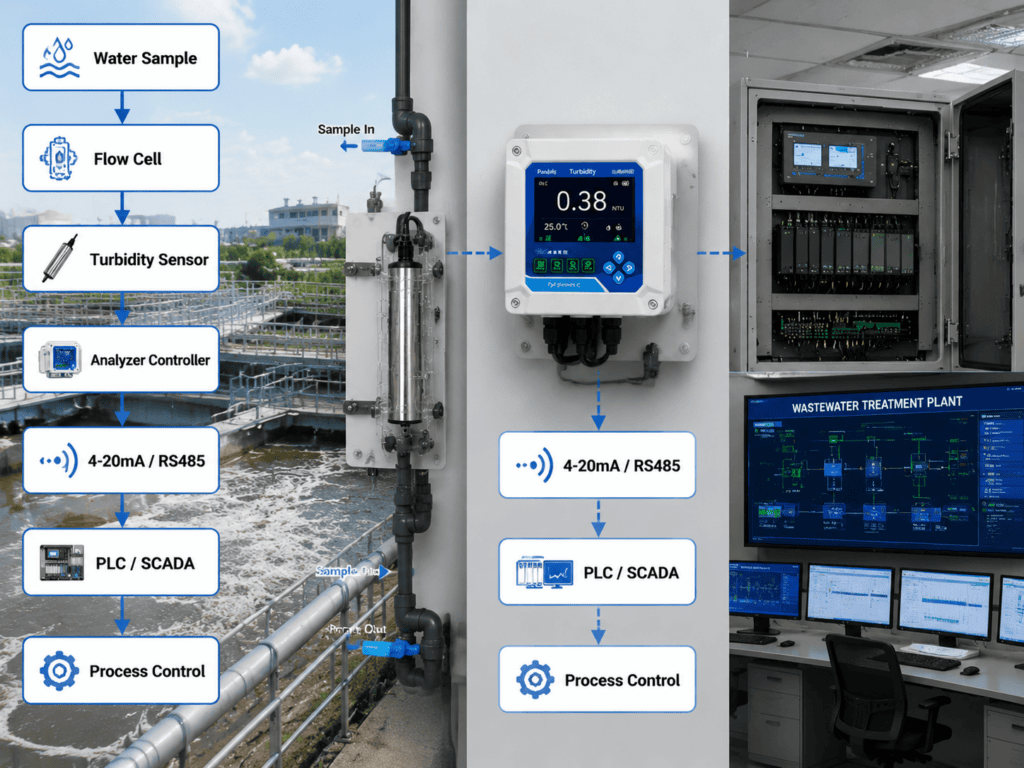
Turbidity Analyzer, Tester, or Transmitter: How to Choose the Right NTU Instrument
Introduction Turbidity is one of the most widely used indicators for evaluating water quality. It…
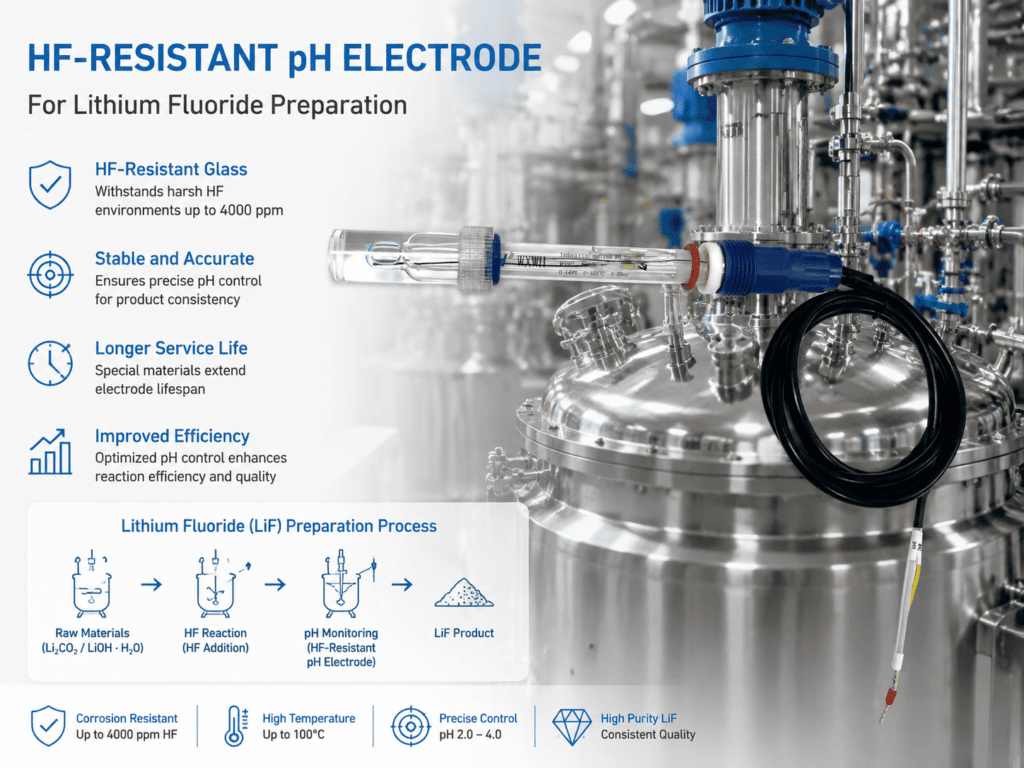
HF-Resistant pH Meters for Chemical Reaction Processes
Introduction In chemical manufacturing, pH measurement plays a critical role in controlling reaction direction, reaction…
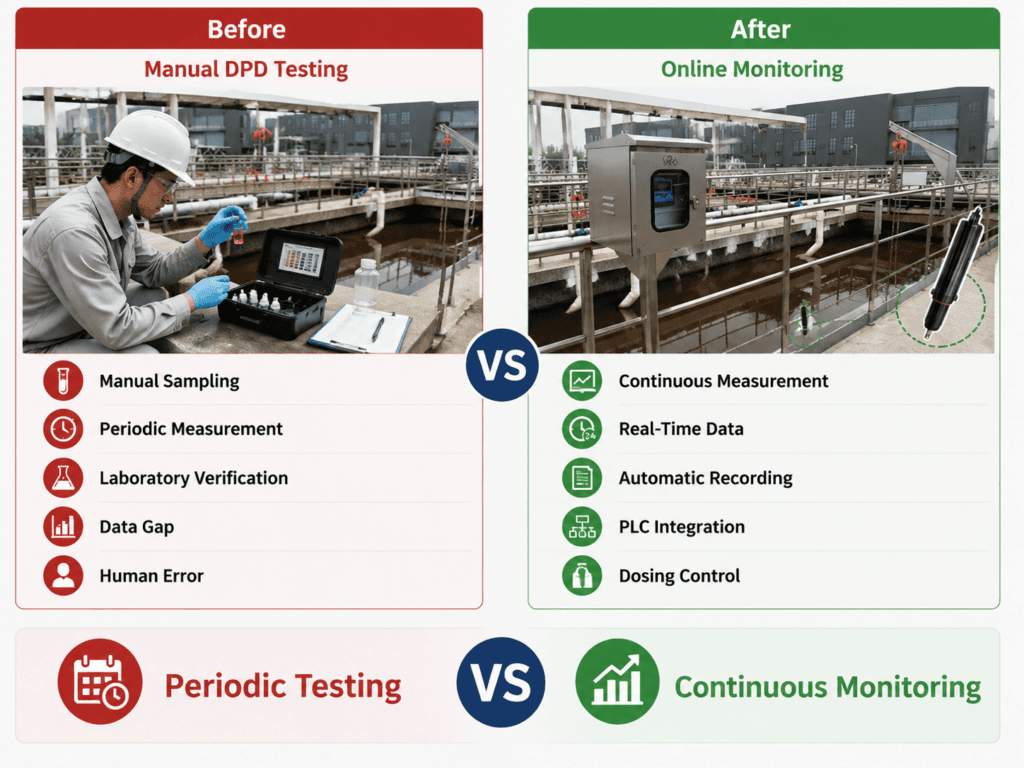
Residual Chlorine Explained: Testing Methods, Analyzers, and Monitoring Systems
Introduction Residual chlorine is one of the most important parameters in water disinfection processes. After…
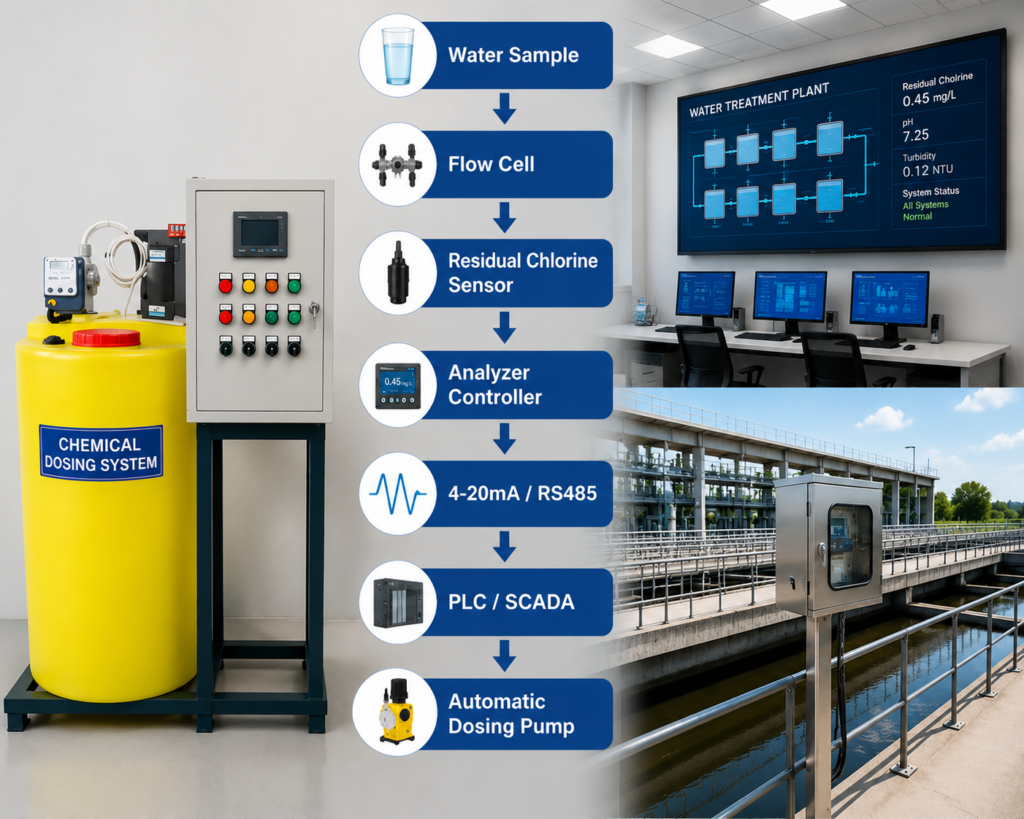
Residual Chlorine Analyzer Buying Guide: Inline vs Portable for Continuous Monitoring
Introduction Residual chlorine monitoring plays a critical role in maintaining water safety, process stability, and…
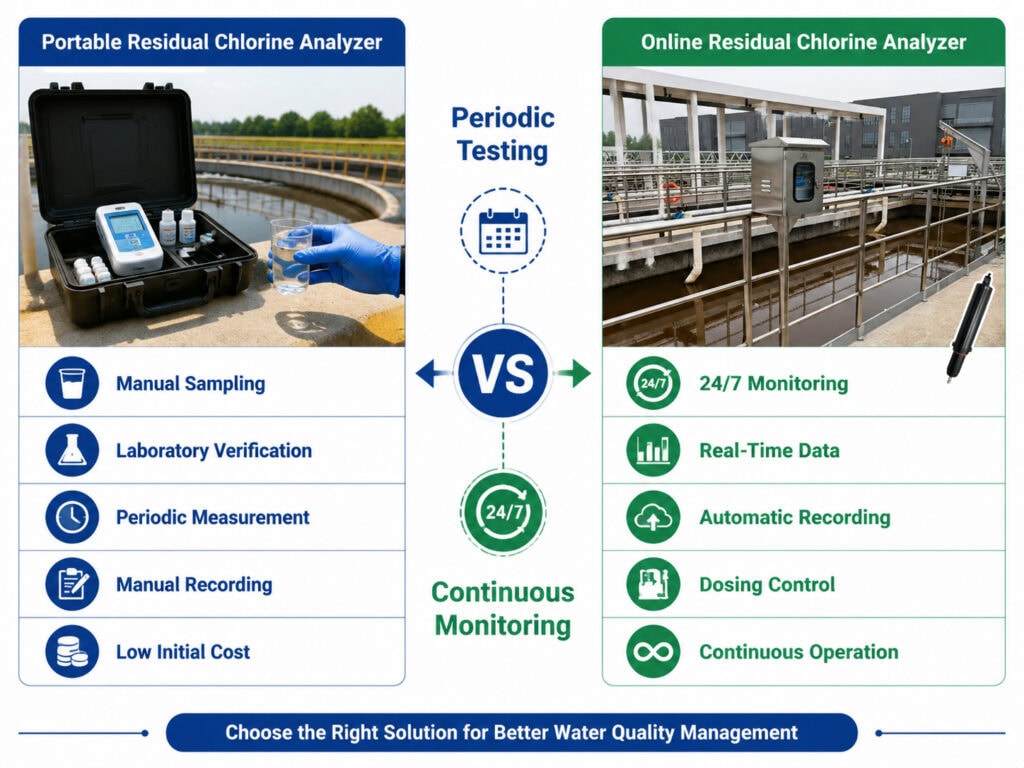
Residual Chlorine Analyzer Guide: Choosing Between Online and Portable Monitoring for Drinking Water
Introduction Residual chlorine monitoring is one of the most important parts of drinking water quality…
