
Blog
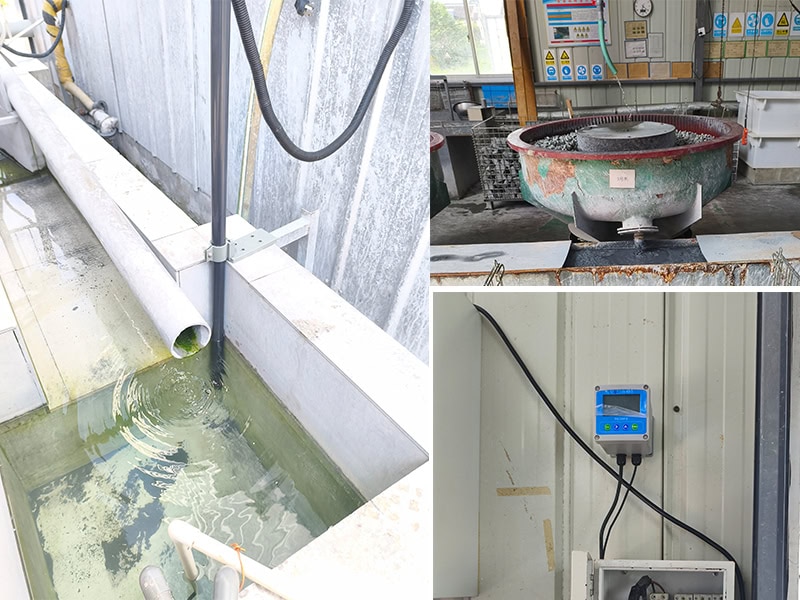
Online pH Monitoring for Aluminum Alloy Vibratory Finishing Wastewater: 24/7 Monitoring at the Sedimentation Tank Outlet
Industry Challenges Aluminum alloy vibratory finishing, also known as vibratory polishing, is an important surface…
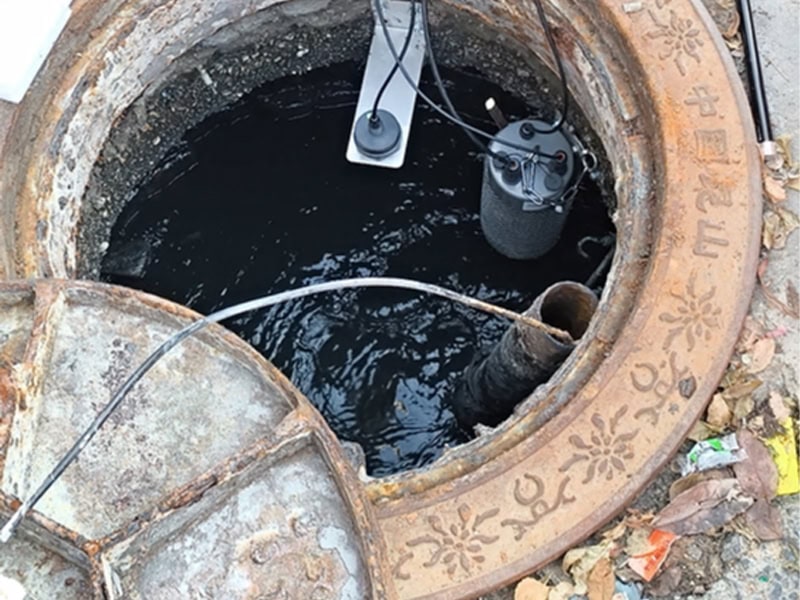
How Should Water Quality Monitoring Instruments Be Installed in Urban Sewer Manholes?
Introduction In smart water management, online water quality monitoring in urban drainage networks is widely…
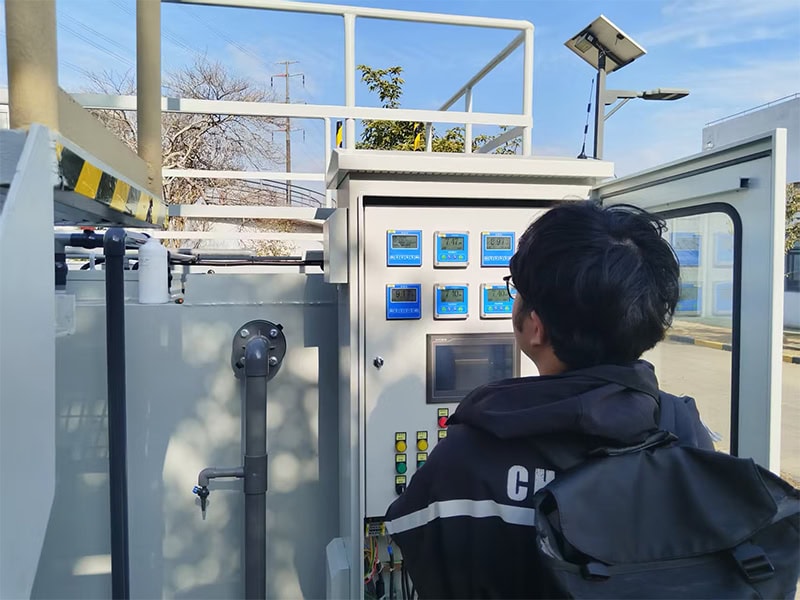
Online Dissolved Oxygen and pH Monitoring for Reclaimed Water Treatment
Industry Challenges As water scarcity becomes increasingly serious in China, reclaimed water reuse has become…
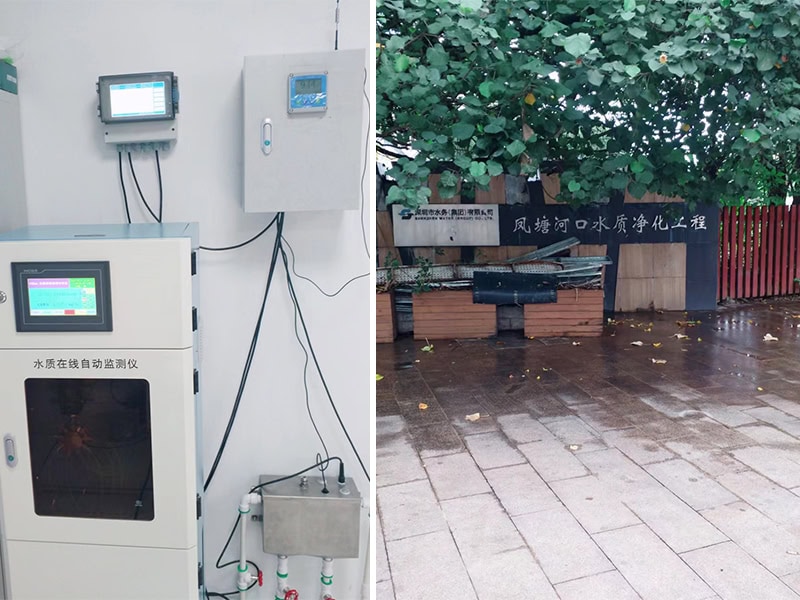
Water Quality Monitoring Solution for Estuarine Ecological Restoration
Introduction How can estuary restoration projects understand water quality changes caused by tides, upstream inflow,…
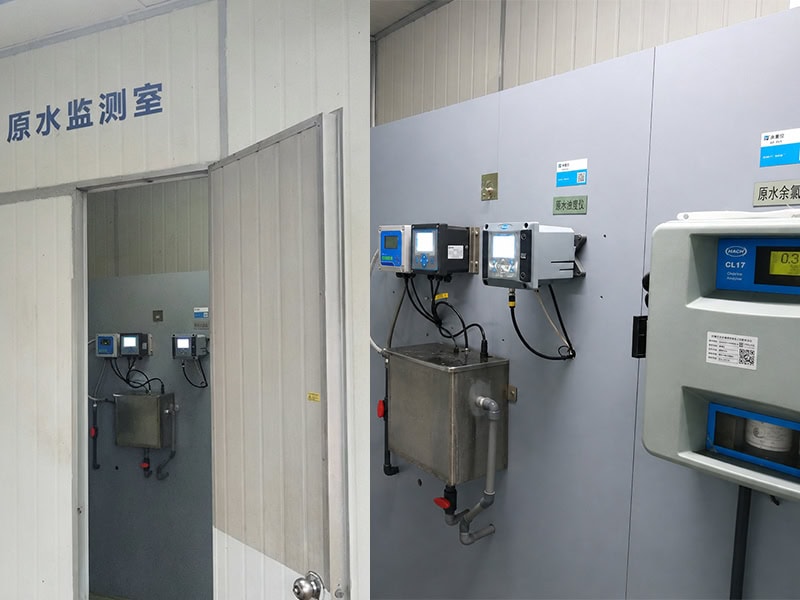
Online Water Quality Monitoring System for Campus Drinking Water Safety
Introduction How can schools ensure campus drinking water safety between routine laboratory tests? This case…
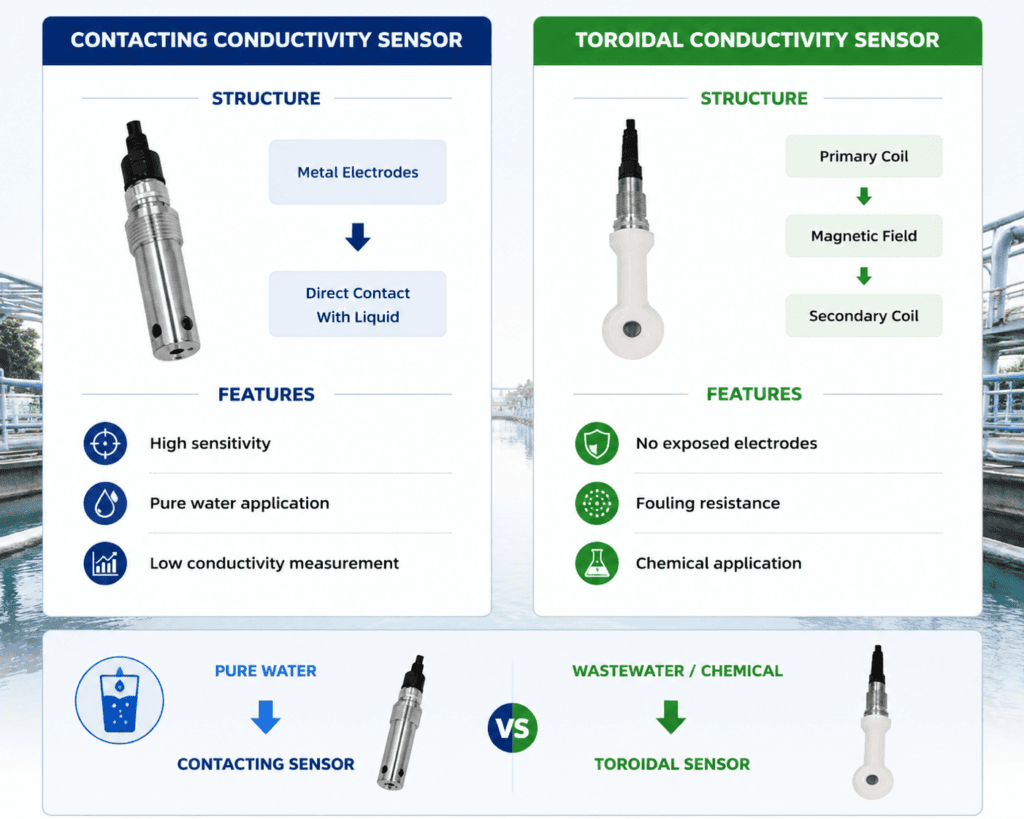
Process Conductivity Sensor Guide: Choosing Inline Meters, Transmitters, and Toroidal Probes
Introduction Conductivity measurement is one of the most widely used methods for monitoring water quality…
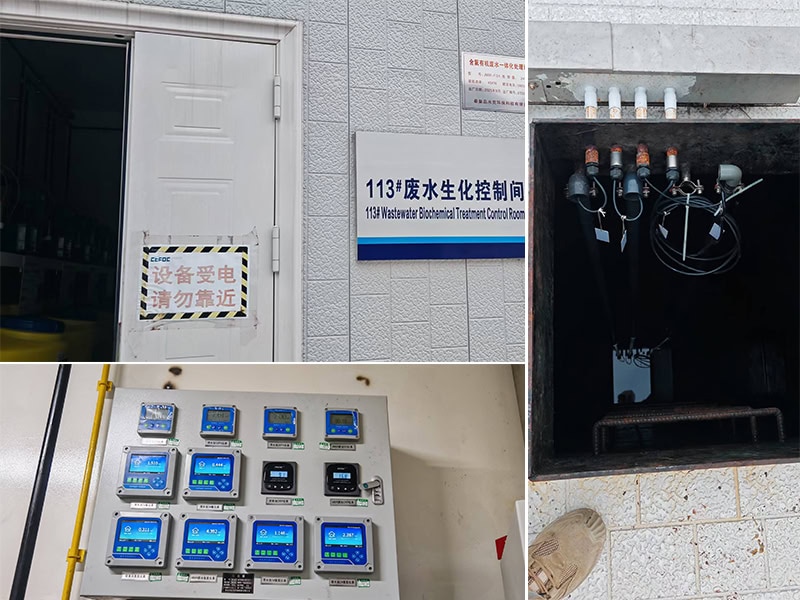
Online Monitoring System for Fluoride Wastewater Treatment in Specialty Gas Manufacturing
Challenges of Specialty Gas Wastewater Treatment Why Specialty Gas Wastewater Requires Advanced Monitoring Specialty gases…
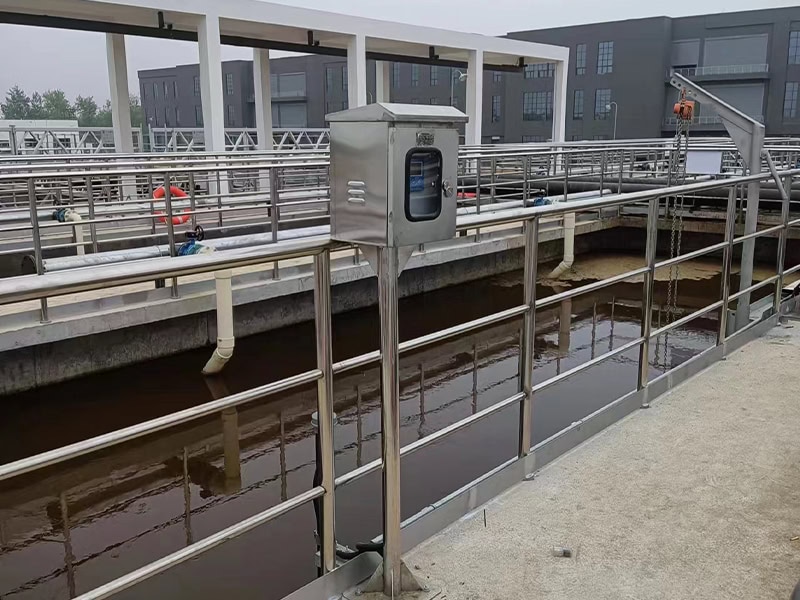
Online Wastewater Quality Monitoring System for Glass Manufacturing Wastewater Treatment
Industry Challenges Wastewater Treatment Challenges in Glass Deep Processing Industry Glass deep processing plants generate…
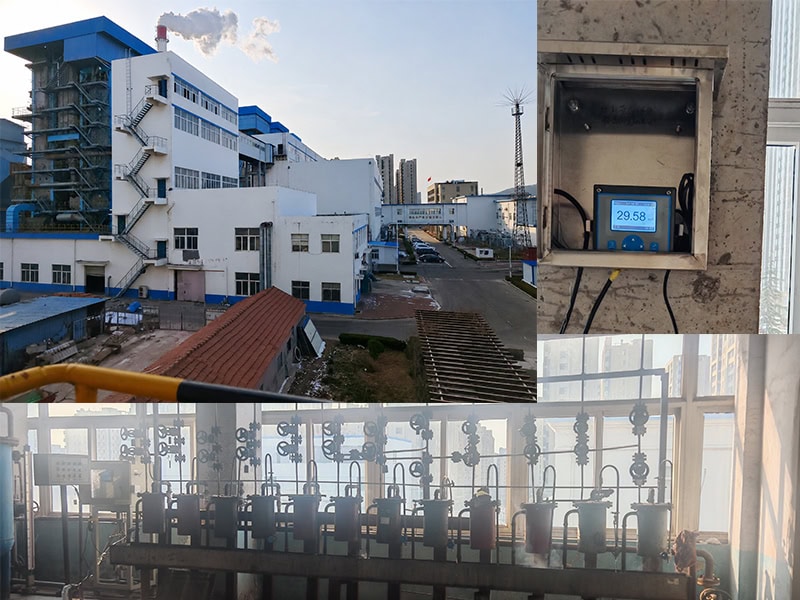
Online Dissolved Oxygen Monitoring System for Thermal Power Plant Water-Steam Systems
Industry Challenges Why Dissolved Oxygen Control Matters in Thermal Power Plants The water-steam system of…
